Review by Balti

Review by Balti
14th February 2025
~ Aum Namah Parvati Pataye Har Har Mahadev ~
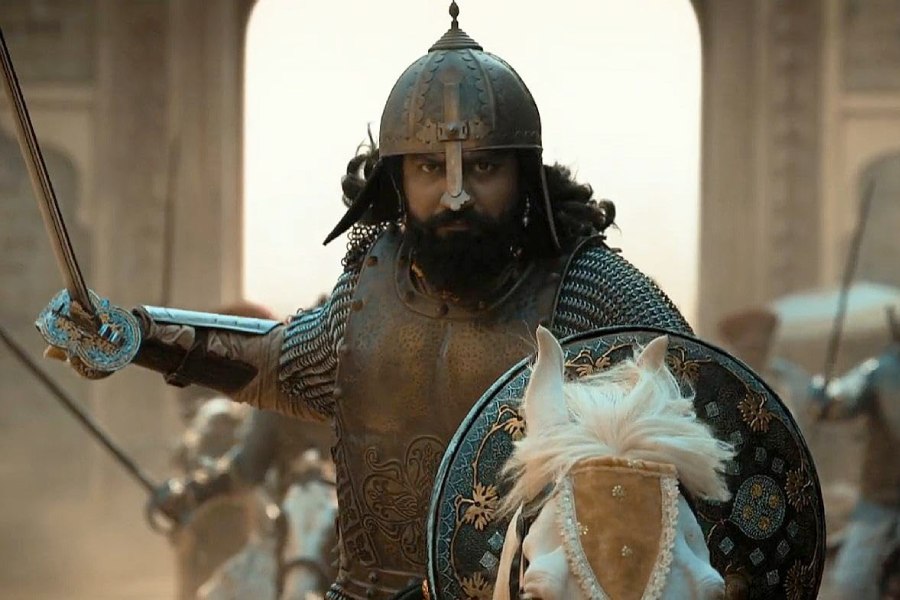
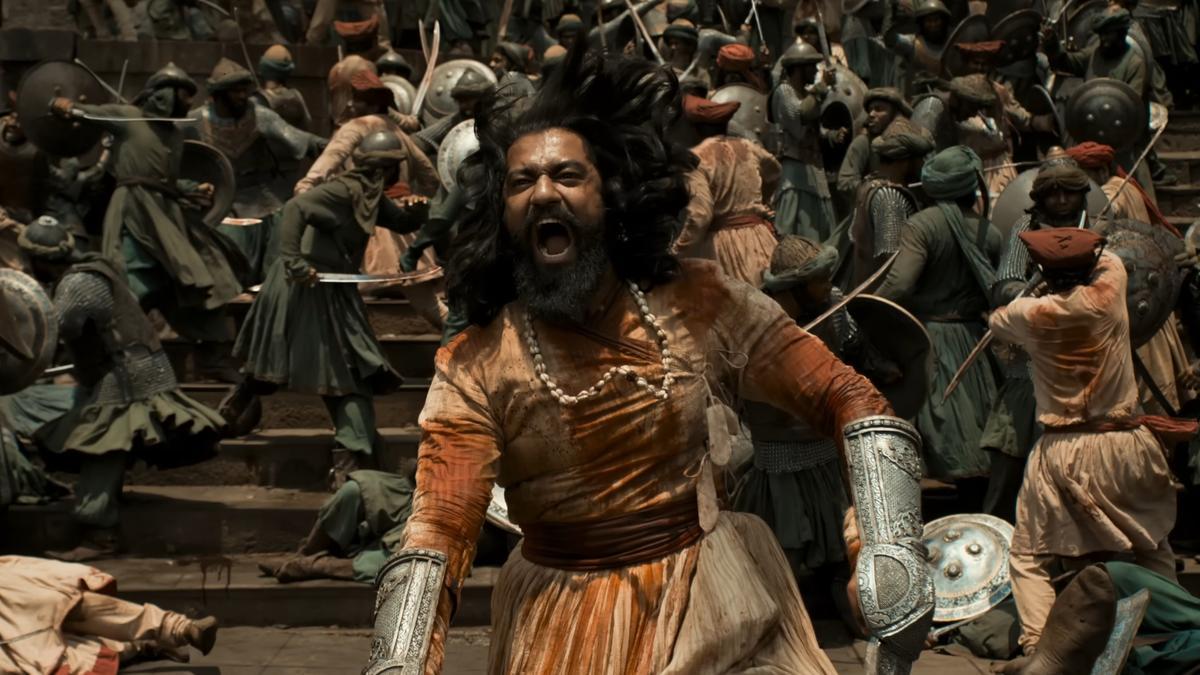
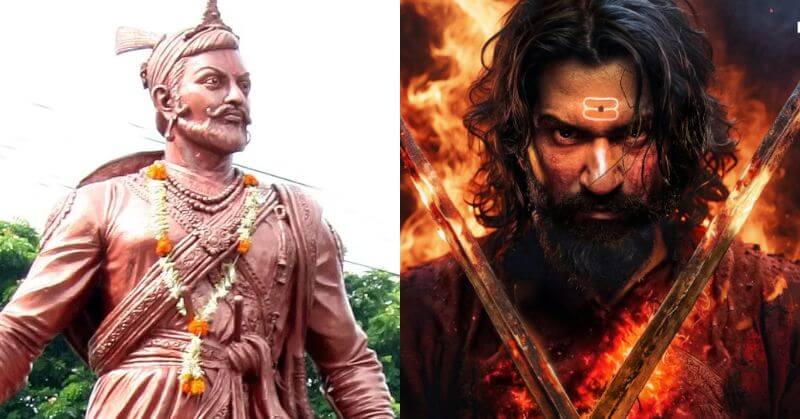
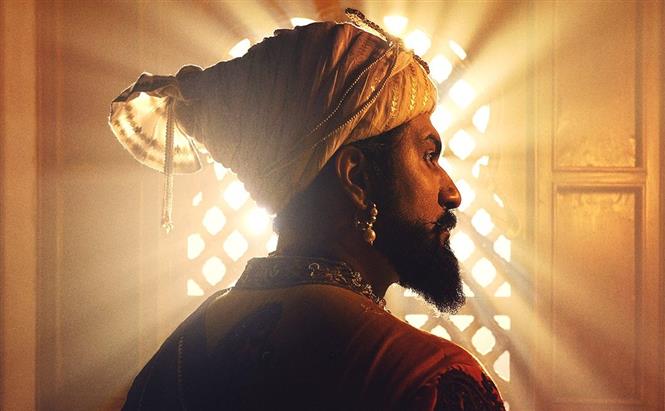
Chhaava isn't merely a title; it's a guttural roar, embodying the "Lion Cub" Sambhaji, who, with iron will and a blade's edge, clawed at the relentless grip of Islamic rule, bleeding to continue his father's brutal dream of a free India from Islamic oppression. The film plunges into the Maratha crucible, where survival is etched in blood and every battle is a visceral clash for existence, yet it often flinches, pulling back from the gut-wrenching, raw savagery of those historical facts, lightly skimming over the true, unvarnished brutality. Nevertheless, it relentlessly projects India's Hindu heroes into a searing, defiant light, showcasing their unyielding spirit and the visceral fight for their heritage. Despite its hesitant dance around the full, brutal truth, Chhaava delivers a stark, impactful reminder of the relentless struggle and the blood-soaked will that forged a nation's soul.
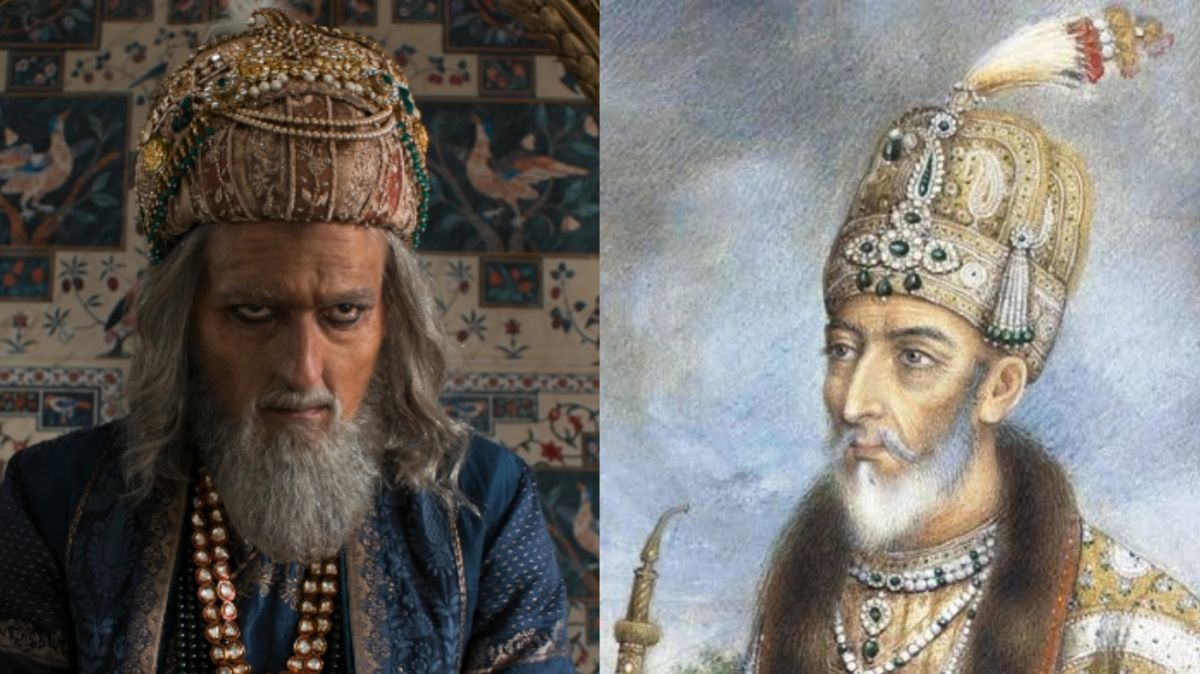
The news of Chhatrapati Shivaji Maharaj’s death, carried by a breathless messenger, tore through the opulent Mughal court, eliciting a grim, predatory smile from Emperor Aurangzeb, who, while acknowledging the loss of a formidable adversary, immediately declared a celebration, convinced the Maratha resistance was finally broken. His subservient courtiers, blinded by their own hubris and the Emperor’s despicable enforcement of Islamic rule upon the Hindus, eagerly echoed the sentiment, confident that the leaderless Maratha Confederacy would swiftly collapse into disarray. But from the smoldering embers of grief, Shivaji’s son and true successor, Sambhaji, rose like a vengeful phoenix, snatching control with a grip of iron and a thirst for immediate retribution, his answer a visceral, lightning-fast assault on Burhanpur, a vital Mughal stronghold, a bloody devastation that ripped through the province and sent a raw, undeniable message of defiance straight to Aurangzeb's throne.
This brutal strike ignited a relentless, tit-for-tat exchange of savage blows, a grim dance of death between the calculating, fanatical Emperor and the fiery, unyielding Maratha lion. The celebratory shouts in Delhi quickly turned to a guttural roar of war, signaling not the end of a struggle, but the brutal escalation of a conflict where every victory would be etched in blood and iron.
While the West lionizes figures like William Wallace, a brutal truth remains: the raw, unyielding saga of Chhatrapati Sambhaji Maharaj, a warrior king whose very existence was a defiance, is utterly absent from their annals. His nemesis, the iron-fisted Aurangzeb, seethed, his imperial pride shattered by relentless defeats, vowing to remain uncrowned until Sambhaji was utterly crushed, a testament to the Maratha king's sheer, bloody effectiveness. Even within the viper's nest of the Mughal court, treachery festered; Zinat-un-Nissa, the emperor's own daughter, plotted to imprison her brother, Mirza Akbar, yet Sambhaji, ever the cunning wolf, ripped through her schemes, his oath a steel-hard resolve. But the rot ran deeper still; discovering Jagirdars apostatising, their loyalties crumbling under Mughal pressure, Sambhaji, with the fury of a cornered tiger, convened a conference in Sangameshwar, not to beg, but to ignite the dying embers of their courage, forging them back into a defiant Confederacy, their very survival hanging by a thread.
Yet, the cruelest blow came not from the adversary, but from within: Yesubai's own resentful brothers, their hearts poisoned by petty grievance, became the ultimate betrayers, guiding the Mughals to Sambhaji on a treacherous night, as he stood with a mere 150 loyal souls, sealing his fate in a moment of agonizing vulnerability. This raw, visceral struggle, the agony and defiance of a king battling an empire with his bare hands, remains an untold saga in the West, a testament to a sacrifice as profound and brutal as any history has ever witnessed.
Chhaava isn't just a film; it's a raw, brutal scream from the heart of a people pushed to the brink, a visceral chronicle of the Hindu struggle against an encroaching evil. It drags you into the desperate, tooth-and-nail battle waged to claw back culture and identity from the grasping hands of Islamic invaders who, now generations deep, claimed this soil as their birthright. But the true venom, the deepest cut, wasn't just the enemy at the gates; it was the rot within, a festering wound of betrayal where Hindu hands, turned against their own, paved the blood-streaked path for the invaders' triumph.
Without that insidious treachery, that internal collapse, the invaders would have faced a wall, not an open highway to dominion. This isn't entertainment; it's a brutal, necessary history lesson, a film you don't just watch, but feel in your bones, a stark reminder of what's lost when loyalty crumbles.
Vicky Kaushal doesn't merely portray Sambhaji; he becomes the man, a raw, visceral force that seizes the screen, forging a formidable presence so convincing, you momentarily forget the actor and witness the very persona himself. His performance is a relentless, unvarnished display of power and conviction, allowing for brief, brutal flashes where the historical figure bleeds through with unyielding intensity. However, the film itself is a jagged beast, its narrative often fractured by abrupt cuts and scenes that feel savagely rushed, denying Sambhaji's complex journey the gritty, extended development it hungers for, while the fight choreography, at times, misses the visceral, bone-jarring impact such a brutal era demands. Standing as a chilling counterpoint, Akshaye Khanna unleashes a truly brutal Aurangzeb, a ruthless, tyrannical force of nature brought to life with chilling, unblinking precision; he embodies the Islamic oppressor to his rotten core, a hundred percent, a stark, unforgiving mirror reflecting the era's relentless, brutal power struggles. Despite its raw imperfections and occasional narrative stumbles, the film ultimately delivers a visceral, brutal spectacle, a feast for the senses that, through its commanding performances, makes the relentless journey undeniably worthwhile.
Vicky Kaushal, Akshaye Khanna and Rashmika Mandanna.
Directed by Laxman Utekar. Screenplay by Laxman Utekar, Rishi Virmani, Kaustubh Savarkar, Unman Bankar, Omkar Mahajan. Produced by Dinesh Vijan.
Music by A. R. Rahman
History, as taught, often sanitizes the blood-soaked reality of the Islamic invasion of India, a period unmatched in its sheer, brutal toll, leaving us with a liberal lie instead of the raw truth. Aurangzeb, a name still plastered on streets today, didn't just ascend a throne; he clawed his way to it through the butchered bodies of his own kin, a chilling testament to his ruthless ambition. His reign wasn't merely about power; it was a scorched-earth campaign for absolute Islamic dominion, marked by the systematic razing of over a thousand Hindu temples, their sacred stones shattered into dust. Imagine streets named after Hitler in the West – unthinkable, a moral outrage. Yet, India still honors this architect of destruction. The recent cinematic awakening isn't just entertainment; it's a sledgehammer to these enshrined myths, forcing open the floodgates of free thought, daring us to question the glorification of tyrants. The question screams from the shattered stones and silenced histories: why do we allow such brutal tyrants to retain any shred of prestige, when their legacy is etched in blood and destruction?
A raw nerve is struck, a furious double standard laid bare, when films dare to rip open the historical wounds of Hindu persecution in India, yet instantly face accusations of an "anti-Muslim narrative" demanding a softening of the brutal truth. No one questioned German sensibilities when Schindler's List forced the world to confront the Holocaust's unvarnished savagery, the screams of millions echoing through the celluloid, a harrowing, necessary testament to genocide. Nor did the creators of Braveheart pull their punches, depicting William Wallace's brutal dismemberment and the grinding, bloody hatred for the English oppressors; no one wept for the feelings of the English then, only for the raw, visceral agony of the oppressed. But when the camera dares to expose India's own blood-soaked chapters, the relentless historical persecution of Hindus, suddenly the clamor begins: cries of 'simplistic anti-Muslim narrative,' demands to 'pamper' feelings, as if historical truth itself is a negotiable commodity for one specific group. This isn't about delicate diplomacy; it's a brutal, unforgiving inconsistency, a suffocating muzzle placed on one truth while others are allowed to roar, leaving a bitter taste of hypocrisy in the historical record.
Director Laxman Utekar, facing a furious roar of protest, brutally gutted a contentious dance scene, a raw concession to the historical wounds festering in Maharashtra. Chhatrapati Sambhaji Maharaj, a name etched in blood, endured unimaginable, gruesome torture and inhuman treatment at the hands of Aurangzeb and his men—a stark, undeniable historical fact. Yet, the very notion of depicting such horrific "rivers of blood" flowing through India during Islamic rule ignited a fierce backlash, a visceral rejection of these harsh truths. This stands in brutal contrast to history books, some penned by the very architects of those reigns, which often brag of these same brutal incidences with chilling pride. The film, by daring to strip away the sanitized veneer, savagely forces viewers to confront and question the very foundations of India's often uncomfortable, blood-soaked history. Ultimately, this brutal confrontation with historical memory leaves an indelible mark, demanding a raw re-evaluation of what we truly believe about India's past.
2 hours 41 minutes
$text = "This is a sample text."; $spacedText = implode(' ', str_split($text, 1)); echo $spacedText;
Dream.Angel / 19-03-2025, 01:50
Raka / 25-02-2025, 14:53
Billi / 21-02-2025, 16:58
Amrita / 18-02-2025, 23:49
This page has been viewed: times.

www.Asian-Massive-Crew.co.uk | www.Asian-Massive-Crew.com | www.AsianMassiveCrew.com | www.AsianMassiveCrew.co.uk
Graphics, Design & Layout by Web Designerz - The Power To Create!
Copyright © 2002 Onwards www.Kalki.co.uk | Website Hosted by Reality Host