Review by Balti

Review by Balti
27th February 2026
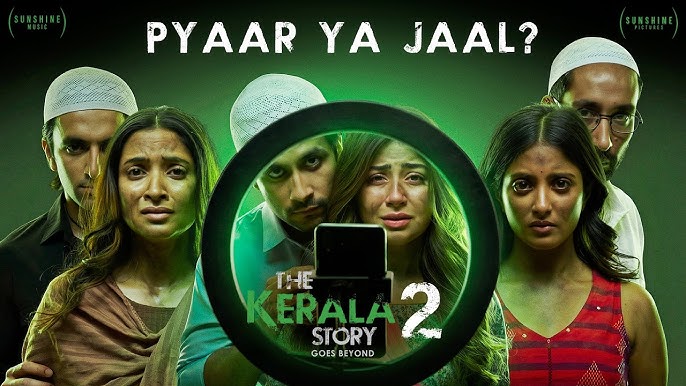
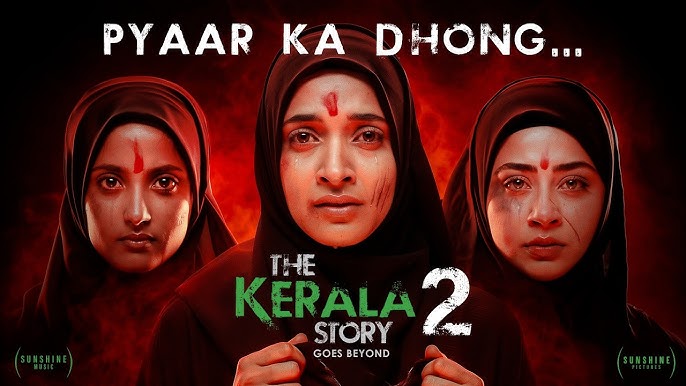
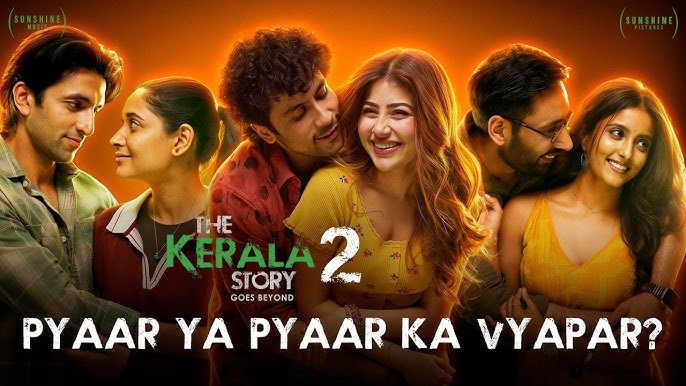
The Kerala Story 2 explodes onto the screen as an off-the-hook standalone sequel, plunging viewers into a chilling expansion of its predecessor's harrowing narrative. This gripping new chapter meticulously traces the fractured, parallel lives of several young Hindu women, their innocent hearts and defiant spirits tested across the diverse, yet vulnerable, landscapes of various Indian states. What begins as the exhilarating flutter of personal relationships or the defiant spark of rebellion inexorably morphs under the insidious weight of alleged religious conversion and relentless societal Islamic pressures. Romance and youthful dreams transform into a suffocating embrace of control and silence, as the very essence of love, once a beacon of hope, is twisted into a devastating weapon, its slow, agonizing action systematically dismantling their freedom and leaving behind only the desolate echoes of what once was.
The cinematic landscape, once gripped by the unsettling authenticity of the first "Kerala Story," now faces a precarious reckoning with its successor, revealing how even the most urgent truths can be lost in translation. The original, with its chilling depiction of girls abandoning their roots—Hinduism, Christianity, India itself—for the shadowy allure of ISIS, wove a narrative brutally faithful to community whispers, flowing back and forth to deliver a raw, blunt, nerve-hitting outlook on problems we knew existed but dared not articulate. Yet, the anticipated sequel, perhaps aiming for an even more visceral impact, tragically falters, not for the grim facts it attempts to throw into the light, but for a shockingly poor attempt at narrative construction, echoing the haunting fate of a film like Deepika Padukone's "Chhapaak" in 2020—a powerful, real-life story line drowned not by its content, but by the turbulent currents of boycott movements and external narratives. In Kerala Story 2, the storytelling itself becomes the antagonist, inadvertently playing directly into the hands of the very conspiracy theories it might have sought to dismantle. Such a narrative misfire, particularly on a subject so fraught with real-world peril, risks turning vital warnings into mere whispers of doubt, leaving the audience adrift in a sea of skepticism rather than compelled by truth.
The Kerala Story 2 is not merely a film; it is a visceral descent into a shadowed reality, a narrative delivered with a raw, unyielding force that is undeniably unsettling. It rips through the comfortable veneer of societal harmony, laying bare a darker underbelly of India that many choose to ignore or actively silence. The film's unapologetic gaze doesn't offer the comforting sight of interfaith celebrations or idyllic communal bonds; instead, it relentlessly focuses on the grim, often whispered-about realities, forcing an uncomfortable confrontation with facts that, however dramatized, resonate with a chilling authenticity. This deliberate, narrow focus, while risking the accusation of propaganda, serves to amplify a specific, deeply unsettling narrative, a stark reminder that such grim chapters are not fiction but an undeniable part of our collective existence. Ultimately, this is a cinematic gauntlet thrown down, a raw, uncompromising portrayal that refuses to be a crowd-pleaser, daring its audience to witness the shadows that undeniably persist.
Ulka Gupta, Aishwarya Ojha, Aditi Bhatia.
Prepare to be utterly mesmerized, for the performance delivered is nothing short of electrifyingly off the hook, a breathtaking display where every single actor, from the radiant women to the formidable men, has poured their very soul into their craft! Ulka Gupta, Aditi Bhatia, and Aishwarya Ojha transcend mere acting, delivering an all-encompassing, visceral performance that doesn't just give you goosebumps, but sends shivers down your spine with its raw authenticity and emotional depth. Conversely, Sumit Gahlawat, Arjan Singh Aujla, and Yuktam Khols unleash a torrent of intensity, setting the screens ablaze with their chilling portrayals of vile husbands and lovers, crafting characters so disturbingly real they make your stomach churn with visceral revulsion.
Indeed, if one were to momentarily set aside the sobering factual basis and simply surrender to the sheer spectacle of entertainment, each actor's formidable skill and profound character building would undoubtedly elicit a thunderous ovation, compelling one to ponder the extent of their brilliant improvisations beyond the written word. Truly, this is a masterclass in acting, an unforgettable experience that cements the indelible talent of every single performer involved.
Directed by Kamakhya Narayan Singh. Written by Vipul Amrutlal Shah & Amarnath Jha. Produced by Vipul Amrutlal Shah./p>
Background score: Mannan Shaah. Songs: Mannan Shaah & Rahul Suhas.
Following the release of its official teaser and trailer, the film became the subject of significant legal and political debate within India, culminating in a judicial challenge before the Kerala High Court. In February 2026, a writ petition was filed by Sreedev Namboodiri, contesting the certification granted to the film by the Central Board of Film Certification. The petitioner contended that the film’s promotional materials, including its title and explicit depiction of themes such as terrorism and alleged forced conversions, were liable to create a misleading regional association with the state of Kerala. Furthermore, the petition asserted that such depictions possessed the potential to disturb public order and communal harmony within the region. Thus, the legal challenge primarily centered on the potential for the film's narrative and promotional content to incite public disorder and undermine communal amity.
In years to come, Kerala Story 2 will not just be watched; it will be felt, cementing its place as a cult classic, a stark mirror reflecting the chilling reality behind a phrase that has echoed like a battle cry among many outspoken Hindus. That phrase, "Mera Abdul Alag hai" (my Abdul is different) – a defiant whisper turned public declaration – rips through comfortable lies, articulating a brutal truth many refuse to acknowledge. The raw scars of lives like Chahatt Khanna's where personal experience collided with public scrutiny, where she herself articulated the unbearable weight of that distinction, are not isolated incidents; they are threads in a wider, more terrifying tapestry, a testament to countless others who have lived through similar crucible moments, some finding a voice, many more simply extinguished, their stories buried under a shroud of societal pressure and fear. This isn't merely entertainment; it's a brutal prophecy, a future classic forged in the fire of undeniable, often devastating, lived experience, destined to haunt and provoke long after the credits roll.
The harrowing specter of "Islamic love jihad," a concept where Hindu girls are purportedly lured into marriages only to face profound alienation, feels like a wound that never truly heals, a recurring agony rather than a novel horror. The initial allure, often a meticulously crafted facade of unwavering devotion, gives way to a crushing reality of isolation and betrayal. Promises curdle into control, affection into manipulation, leaving behind a hollowed-out shell where a vibrant spirit once thrived, stripped of family, culture, and often identity. This cycle of alleged deceit and abandonment leaves behind not just individual broken lives, but a collective scar of distrust and fear that refuses to fade, echoing through generations with a bitter, raw ache.
2 hours 11 minutes
1) Pakistan: Hindu girls kidnapped for forced marriage and conversion to Islam
2) Pakistani-origin man caught forcing Hindu woman to
conversion
3) Muslim man traps 23 Hindu girls using fake identity
4) Muslim man booked for forcibly converting Hindu woman to Islam pushing her to prostitution
$text = "This is a sample text."; $spacedText = implode(' ', str_split($text, 1)); echo $spacedText;
Neha.Kulkarni / 05-03-2026, 00:14
https://nehakulkarni108.blogspot.com/2026/03/the-kerala-story-2-goes-beyond-review.html
FactGopher / 04-03-2026, 00:13


www.Asian-Massive-Crew.co.uk | www.Asian-Massive-Crew.com | www.AsianMassiveCrew.com | www.AsianMassiveCrew.co.uk
Graphics, Design & Layout by Web Designerz - The Power To Create!
Copyright © 2002 Onwards www.Kalki.co.uk | Website Hosted by Reality Host