Review by Balti

Review by Balti
Brace yourself, because if Bollywood's kaleidoscopic charm has long captivated your gaze, you've likely sensed a seismic shift beneath its glittering surface, a subtle yet undeniable recalibration of its very cultural heartbeat. For those of us who've tracked its evolution, the once-ubiquitous tapestry of traditional Indian elements appears to be slowly, almost imperceptibly, ceding ground to an increasingly prevalent Islamic aesthetic. This isn't a critique of inclusion, merely an observation of a fascinating, gradual replacement – a narrative pivot many attribute directly to the formidable, decades-long reign of Bollywood's three iconic Khans, whose unparalleled star power, while electrifying, seems to have subtly yet significantly steered the industry's compass, leading to a noticeable decline in Hindu cultural representation on screen. It's a high-stakes drama playing out not just in scripts, but in the very cultural fabric projected onto millions of screens, demanding we pull back the curtain and examine this cinematic transformation in detail.
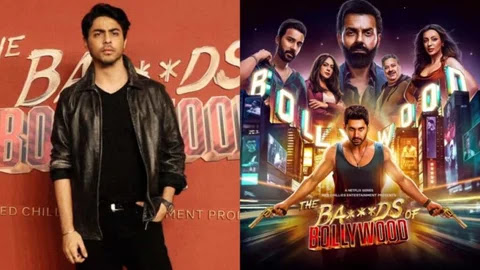
A new chapter in Bollywood's evolving narrative unfolded with Aryan Khan's much-anticipated directorial debut,
"Vijay wrote, “We have a fab new director in the house! Congratulations on a solid debut Aryan. Can’t wait to watch the remaining episodes.. and as Samay will say.. crazzzyyy show hai mere bhai.” - theindianeye.com
"The Bastards of Bollywood," premiering on Netflix on September 18, 2025. Promising a "bold, no-filter" exploration of the Hindi film industry, the series delves into the raw ambition, intricate ego clashes, and often-brutal realities faced by those striving for cinematic recognition. While whispers of a future collaboration — Aryan directing his superstar father, Shah Rukh Khan, for his third feature — once captivated industry observers, the landscape has irrevocably shifted; indeed, the groundbreaking vision of Dhurandhar has redefined the very benchmarks of Bollywood entertainment, casting a long shadow over previous eras and compelling a re-evaluation of what truly constitutes compelling cinema in the contemporary age. In this transformed milieu, the potential father-son dynamic behind the camera, while historically significant, now contends with an audience whose discerning palate has been recalibrated by a new vanguard of storytelling.
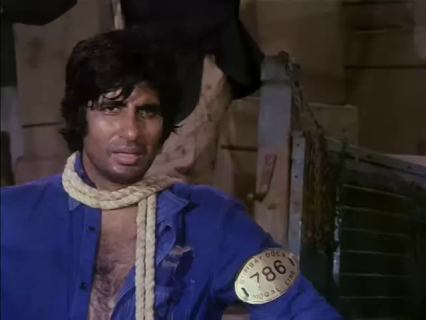
Let's cut to the chase: for all its dazzling spectacle, Bollywood's narrative often performed a perplexing disappearing act when it came to genuinely embracing or even respectfully depicting Hinduism, a trend as perplexing as it was persistent. Even iconic figures like Amitabh Bachchan, in roles like 'Dewaar,' famously sported the numeral '786' while playing an atheist porter who gave temples a wide berth – a narrative contortion that, while undeniably entertaining, systematically sidelined the spiritual heart of a nation, a pattern echoed in blockbusters like Naseeb and Coolie. The 90s brought a supposed 'cultural shift,' yet it often felt like trading one set of cardboard cutouts for another, with stories defaulting to tired tropes of caste conflict or temple squabbles. Here's the kicker: while the industry masterfully weaves a rich tapestry of India's diverse musical heritage – from the pulsating rhythms of Bhangra to the soul-stirring depth of Qawwalis, catering to every community – that same inclusive spirit mysteriously evaporates when it comes to any perceived 'degradation' of religious practices, with Hinduism consistently finding itself in the crosshairs. Funny how the cameras rarely pan to the nuanced complexities of Sikh sects, the fiery dynamics of Sunni-Shia rivalry, or the lesser-known tenets of the Ahmadiya Muslim community; suddenly, the argument pivots to "We're catering to a Hindu audience!"
Yet, this flimsy excuse crumbles when one considers that not every Hindu in the audience is fluent in Punjabi, Urdu, or the intricate Islamic terms frequently peppered into those very same 'inclusive' songs. Ultimately, this selective blindness isn't just baffling; it's a glaring testament to a directorial ignorance that’s less an oversight and more a ludicrous, self-serving narrative choice.
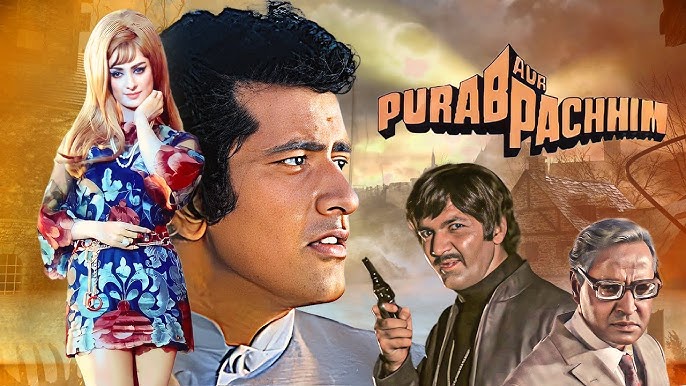
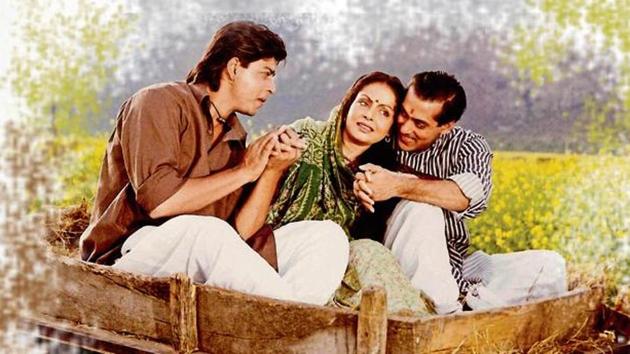
My cinematic journey, initially a conscription into the earnest, patriotic world of Manoj Kumar's Purab Aur Paschim by insistent family, unexpectedly cultivated a cherished appreciation for films that, despite their narrative prowess, often induced a peculiar, patriotic slumber. While the raw emotional surge of Border and Gadar later delivered goosebumps, that primal narrative of national unity remained largely unchanged, a powerful few dwarfed by a torrent of films laden with subtle, unifying innuendos. The subsequent Shah Rukh Khan tsunami, unleashed after hits like Deewana, Darr, and Veer-Zaara, brought its own stylish brand of veiled messaging, adeptly attempting to weave a fabric of 'we are all one people' across
Hindu, Muslim, Indian, and Pakistani lines, artfully sidestepping the inconvenient truth that religion, not heritage, often remains our most potent divider. Indeed, Bollywood frequently performs a peculiar historical alchemy, consistently airbrushing invasions, the brutal butchering of Hindus, and other inconvenient truths from its meticulously curated, often revisionist, Indian past. This persistent cinematic tightrope walk between entertainment, idealistic unity, and historical amnesia leaves an engaged viewer both captivated by the artistry and perpetually questioning the script.
When international cinema lays bare its history, be it the dynastic sagas of China or the gritty realism of Italian chronicles, the past isn't just sketched; it's etched in unforgiving detail, its often brutal truths presented without apology. Bollywood, however, frequently opts for a historical soft-focus, particularly when the lens turns to India's Islamic invasions, transforming complex conquests into a sanitized cinematic appeasement that feels less like history and more like a diplomatic maneuver, even when sacred texts might imply a starker reality. This curious editorial choice often extends to casting, where a recurring directorial flourish sees a Muslim lead inexplicably tasked with defining the very essence of 'Hindu-Indian identity' in major blockbusters, a pattern from Raja Hindustani to Lagaan that, upon reflection, sends the cognitive gears spinning. It’s a subtle alchemy, a slow-burn mental grooming that might initially slip past the casual viewer but, in retrospect, reveals a carefully constructed narrative shaping perception rather than reflecting unvarnished reality.
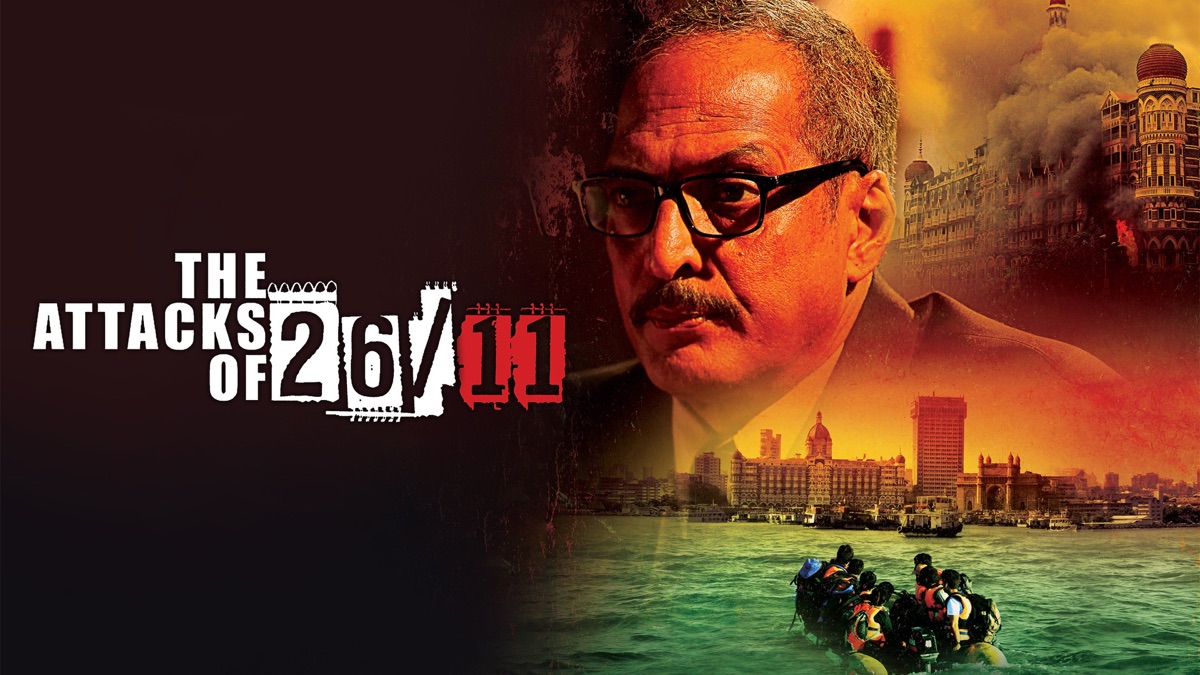
One simply must marvel at the sheer comedic genius displayed in Ram Gopal Varma's The Attacks of 26/11, particularly how it manages to delicately tiptoe around and, dare I say, sanitize the very concept of jihad. It’s truly a masterclass in historical revisionism, isn't it, to take a term so deeply rooted in centuries of conflict – particularly in a nation like India, which, for a mere 800 years, was only ever attacked in the name of jihad upon its "Hindu infidels" – and present it with such a polished, almost benign sheen. Patekar explains that Jihad-ul-Akbar (the greater Jihad) is the internal fight against the vices in one's own heart and mind.
(Nana Patekar tries to understand Kasab's psyche | The Attacks Of 26/11 || Movie Scene)
One can only observe with a wry smirk as Ram Gopal Verma, the self-proclaimed pioneer of cinematic 'realism' and 'edginess', now finds himself positively mouth-dribbling over Dhurandhar, despite his own illustrious career of crafting what many would generously term 'unconventional' cinema.
He condemns those who use "Islam is in danger" as an excuse to commit violence, stating they misunderstand the foundation of humanity in the religion.
Well, how funny indeed, that a director tackling such a brutal event could, with a straight face, sidestep the very ideological bedrock that fueled it, perhaps hoping we'd all just forget the inconvenient historical baggage. The irony, of course, is as subtle as a sledgehammer, suggesting that perhaps a bit of selective amnesia is the most convenient way to tell a "truthful" story.
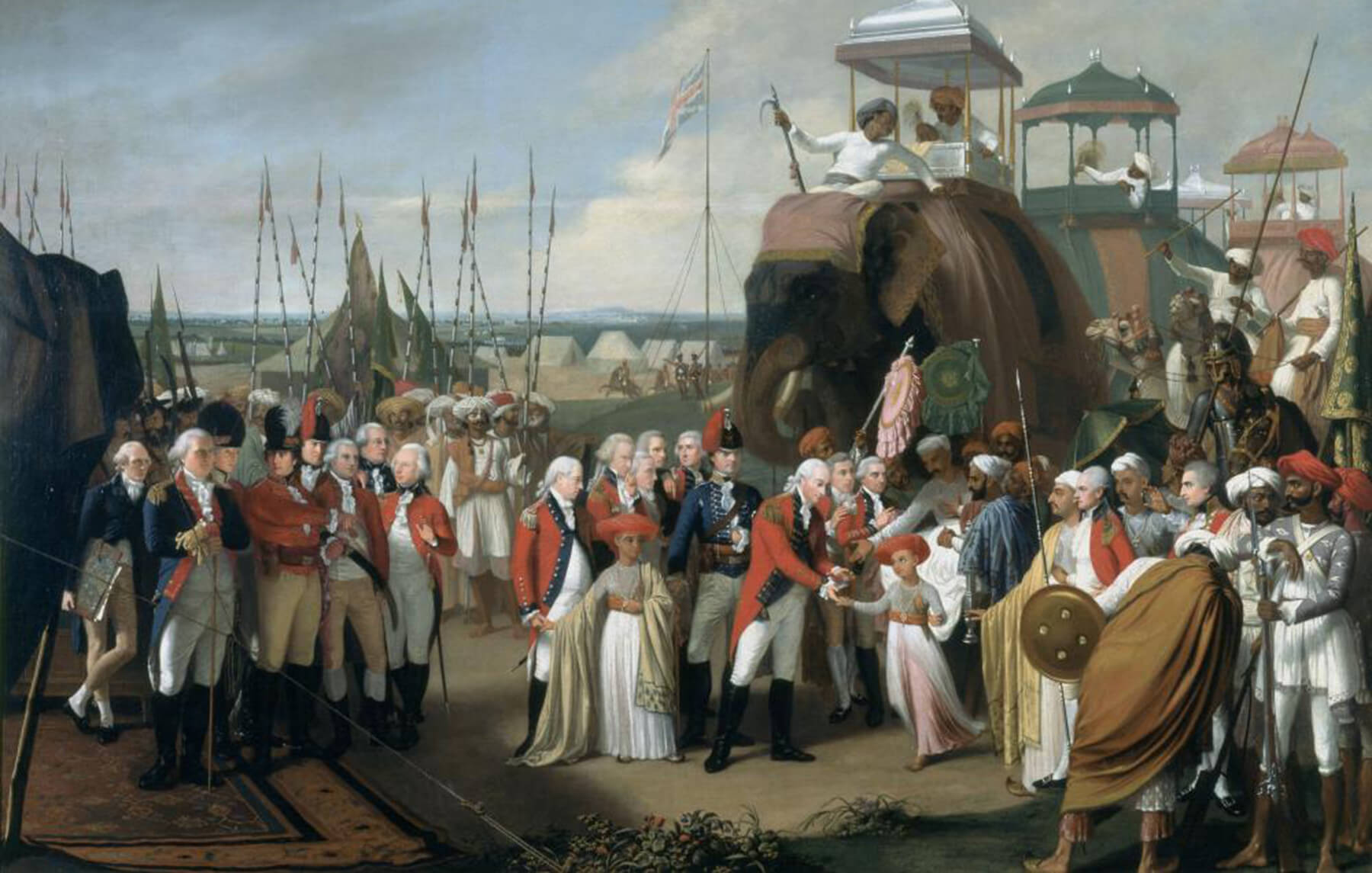
Here's the cinematic conundrum: Bollywood, with its grand narratives, readily trains its lens on the British Raj, exposing every facet of colonial plunder and occupation with a righteous fury that electrifies the screen. Yet, when the vast, centuries-spanning saga of Islamic invasions – a historical epoch predating the British by hundreds of years, stretching from the 7th century onwards – enters the frame, that same lens seems to develop a curious, convenient blind spot. It's a striking dramatic irony, isn't it? One moment, we're witnessing epic battles against the East India Company; the next, an entire millennium of earlier conquests vanishes from the silver screen, often dismissed with a shrug or a carefully curated historical footnote.
This selective amnesia, many argue, isn't just an oversight; it's a calculated appeasement, a subtle nod to certain actors and audience segments, raising the sharp question: are these films crafted for the authentic Indian narrative, or are they subtly tailoring history for different global sensibilities, perpetually bending facts to avoid offending anyone but the truth itself? Ultimately, when storytelling prioritizes political correctness over historical veracity, the grand spectacle of cinema risks becoming less a mirror to the past and more a distorted funhouse reflection, leaving the audience to wonder where the real drama truly lies.
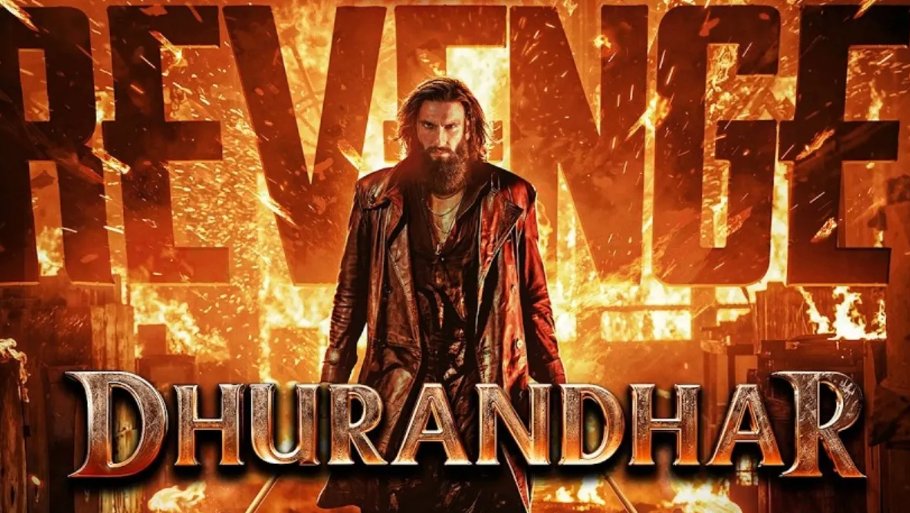
Bollywood's once unyielding narrative, long monopolized by the "3 Khans" and their formidable global sway, is finally facing its cinematic reckoning. For years, their silver screen empires, fueled by a vast Muslim fanbase and the intoxicating aroma of international profit, seemingly found little issue in subtly — or overtly — degrading India's ancient Hindu ethos; the constant cinematic smirk and casual mockery woven into scripts by certain production houses confirmed that as long as global audiences cheered, cultural respect could take a backseat. Yet, the industry's tectonic plates are now spectacularly shifting, with that once-unshakeable dominion crashing down around them. A new breed of directors, armed with fresh vision and unburdened by old loyalties, is emerging, their non-Khan-led blockbusters raining fire at the box office, while the southern tsunami, spearheaded by the colossal Baahubali 1 & 2 in 2017, didn't just break barriers—it smashed them, unleashing a full-scale cinematic assault.
However, from the northern heartland, a different narrative rose, not just pushing back but crushing the old order, as films like 2019's Uri: The Surgical Strike and the seismic The Kashmir Files in 2022 ignited a furious cultural wildfire, proving that authentic, unvarnished Indian stories told without apology are the true box office kingmakers. The era of calculated cultural condescension is unequivocally over; the roar of a reawakened audience now demands a new, honest cinematic dawn.

Summary: The cinematic landscape of Bollywood, often touted as a mirror to society, increasingly reflects a perplexing dichotomy in its narrative choices. While narratives celebrating figures associated with Muslim underworlds are often rendered with a romanticized grit, and specific Islamic communities are elevated to archetypal heroism, Hindu cultural expressions frequently find themselves relegated to the periphery or subjected to intense, often disproportionate, scrutiny. It is a peculiar paradigm where the uncritical embrace of Islamic themes, replete with devotional praise, unfolds without controversy, yet any cinematic engagement with Hinduism invariably triggers an immediate, often hostile, public discourse. This calculated appeasement of a perceived Muslim audience, at the apparent expense of broader communal representation, paints a picture of a film industry seemingly dictated by a selective moral compass. Such a lopsided artistic agenda, critics argue, transforms Bollywood from a cultural arbiter into a mere echo chamber for specific narratives, thereby betraying its purported role as a universal storyteller.
A seismic shockwave has ripped through Bollywood, as Dhurandhar 2 doesn't just break records, but utterly obliterates them, signalling a brutal new era that challenges the long-held reign of its established titans. For decades, the Three Khans—Shah Rukh, Salman, and Aamir—have dictated the industry's pulse, yet the 'perfectionist' himself, Aamir Khan, now sees his meticulously crafted facade blown to smithereens, exposed by the stark reality of his past, including the cheesy, scene-for-scene Godfather rip-off, Aatank Hi Aatank. Meanwhile, Salman Khan, the very epitome of toxic masculinity (Anupama Chopra), whose films like Dabangg, Kick, and Sikandar have normalized men throwing six opponents into the air with a single punch, must now contend with Dhurandhar 1 & 2 being hailed as an 'epic violent film'—a brutal double standard laid bare by its unparalleled success. This isn't merely a box office triumph; it's an undeniable phenomenon, a raw, powerful force recalibrating the very metrics of success.
Well done, Aditya Dhar, for delivering this crushing blow and utterly smashing the Bollywood bubble wide open with unbridled cinematic force!
$text = "This is a sample text."; $spacedText = implode(' ', str_split($text, 1)); echo $spacedText;

This page has been viewed: times.

www.Asian-Massive-Crew.co.uk | www.Asian-Massive-Crew.com | www.AsianMassiveCrew.com | www.AsianMassiveCrew.co.uk
Graphics, Design & Layout by Web Designerz - The Power To Create!
Copyright © 2002 Onwards www.Kalki.co.uk | Website Hosted by Reality Host